
Our members
Centre Directors

Professor Kirsty Fairclough
I am Professor of Screen Studies specialising in the intersections of screen cultures, popular music, film and celebrity. My research explores the ways in which popular culture shapes and reflects society, with a particular focus on music documentary, celebrity culture, and the evolving relationship between sound and visual media. I have published widely on these subjects and my work often addresses the mediation of celebrity, the politics of representation in music documentary, and the impact of digital technologies on cultural production and consumption.
Key Publications:
K. Fairclough (forthcoming) This is Me: Interrogating the Female Pop Documentary. Bloomsbury.
K. Fairclough and B. Halligan (2023) Diva: Feminism and Fierceness from Pop to Hip-Hop. Bloomsbury.
K. Fairclough and J. Wod (2022) Pop Stars on Film: Popular Culture in a Global Market. Bloomsbury.

Dr Sorcha Ní Fhlainn
Dr Sorcha Ní Fhlainn is Reader in Film Studies and American Studies, and is co-director of the Popular Screen Cultures at Manchester Metropolitan University. Ní Fhlainn has published widely in the fields of Gothic and Horror Studies and Popular Film, specialising in monsters, subjectivity, and US cultural history, as well as on popular directors and stars. She is the author of Postmodern Vampires: Film, Fiction and Popular Culture (Palgrave, 2019), winner of the 2020 Lord Ruthven Award from the International Association for the Fantastic in the Arts. She is currently working on the long 1980s onscreen.
Key Publications:
S. Ní Fhlainn (2019) Postmodern Vampires: Film, Fiction and Popular Culture. Palgrave.
S. Ní Fhlainn and B. M. Murphy (eds, 2022) Twentieth-Century Gothic. Edinburgh University Press.
S. Ní Fhlainn (ed, 2017) Clive Barker: Dark Imaginer. Manchester University Press.
S. Ní Fhlainn (2010) The Worlds of Back to the Future. McFarland.
Core Members

Professor Andrew Biswell
Andrew Biswell is Professor of Modern Literature, teaching English and Creative Writing at Manchester Met since 2003. His current projects include a scholarly edition of the works of Anthony Burgess for Manchester University Press, an edition of A Shorter Ulysses, and a monograph about W.H. Auden and Christopher Isherwood. Andrew is the winner of the Portico Prize for The Real Life of Anthony Burgess. He was also shortlisted for the Glen Dimplex Award and FutureBook Prize for Digital Innovation.
Key publications:
A. Biswell (2023) Anthony Burgess, Stanley Kubrick and A Clockwork Orange. Springer International Press.
A. Burgess and A. Biswell (2013) A Clockwork Orange: Critical Edition. Penguin Classics.
A. Biswell (2006) The Real Life of Anthony Burgess. Pan Macmillan.

Dr Matthew Carter
Dr Matthew Carter is a Senior Lecturer in Film at Manchester Metropolitan University. He is interested in the cultural history of the USA, and his research concerns the impact of frontier mythology and the Hollywood Western on that nation’s society, politics, and sense of identity. His other interests include horror, science fiction, genre theory, and ideology critique.
Key Publications:
M. Carter, M. Paryz, and M. E. Marubbio (2020) Figurations of Settler Colonialism in Contemporary Cinematic Depictions of the US West (Special Issue of Journal of English and American Studies). Walter de Gruyter.
M. Carter and M. Paryz (2018) The Visual Language of Gender and Family in the Western (Special Issue of Papers on Language and Literature). Southern Illinois University.
M. Carter and A. P. Nelson (eds, 2016) The Films of Delmer Daves. Edinburgh University Press.
M. Carter (2014) Myth of the Western. Edinburgh University Press.

Dr Amy C. Chambers
Dr Amy C. Chambers is a science and screen media scholar focused on the intersection of entertainment media and the public understanding of science. Amy’s research interrogates public and popular cultures of science; histories of science and religion in cinema; the mediation of women’s scientific expertise on screen; reading science fiction literature; and women’s creative contributions to science fiction media.
Key Publications:
A. C. Chambers et al. (2025) Reading Science/Fiction: Sociality, Publics and Pleasures. Palgrave.
A. C. Chambers (2023) ‘Contagion Went Viral: Microbiology, Entertainment Media and the Public Understanding of Science‘, Current Clinical Microbiology Reports.
A. C. Chambers (2022) ”Somewhere Between Science and Superstition’: Religious Outrage, Horrific Science, and The Exorcist (1973)‘, History of the Human Sciences.
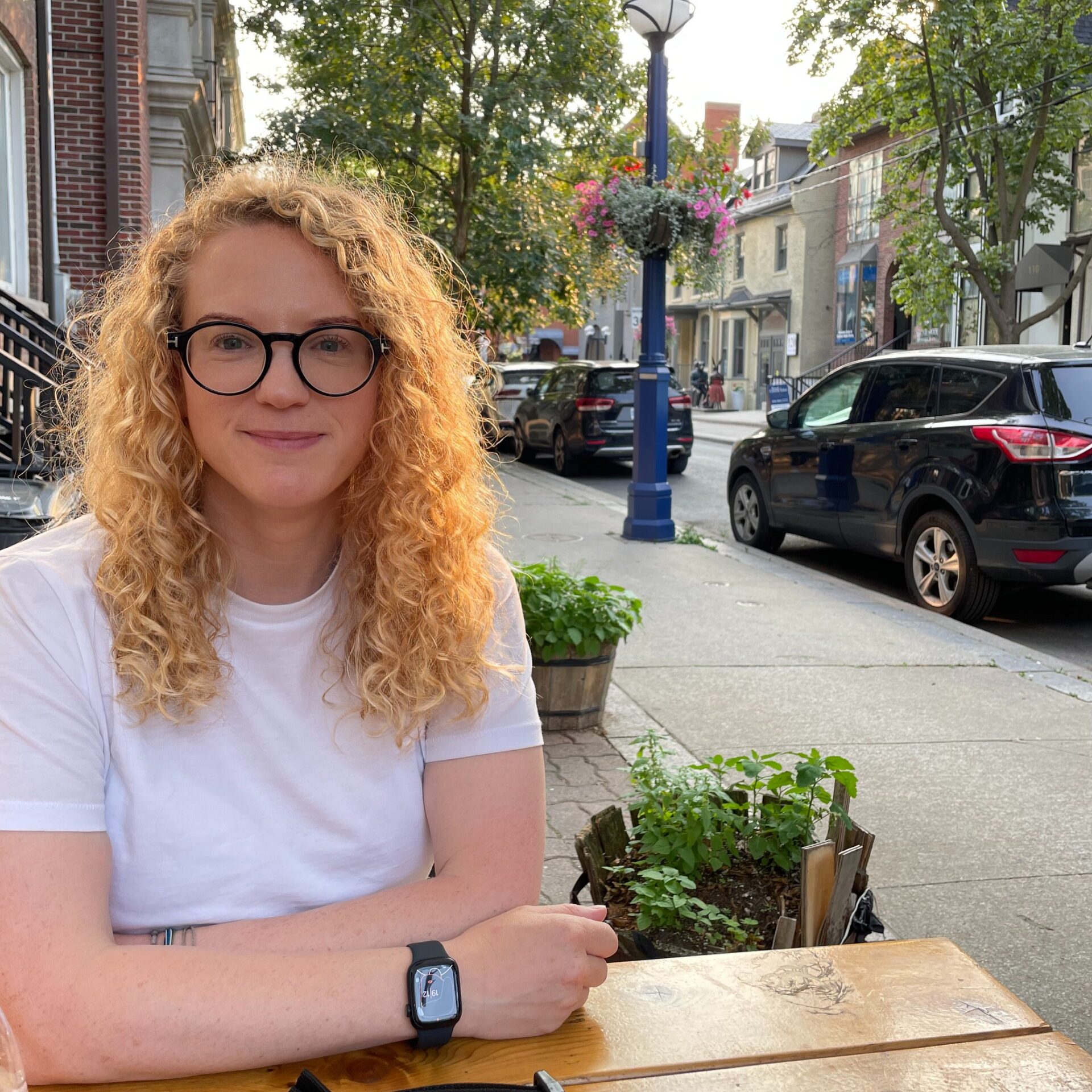
Dr Samantha Colling
Dr Samantha Colling is a Senior Lecturer in Film and Media. Her research focuses include teen film, affect film theory, girlhood on screen and queer youth. Samantha’s monograph The Aesthetic Pleasures of Girl Teen Film (2017) explores new ways of thinking about pleasure and fun in relation to film, with a particular focus on millennial girl teen films and the kinds of affects that they are designed to create. She is currently working on a videoessay that explores the affective impact of the film Bottoms (2023) and a monograph on the film The Miseducation of Cameron Post (2018).
Key publications:
S. Colling and A. Hilton (forthcoming) ‘Feeling Like a Teenage Lesbian: the sex scenes in The Miseducation of Cameron Post (2018) and Make Up (2019)’, in The Sex Scene: Representation, Performance, Aesthetics. Edinburgh University Press.
S. Colling (2017) The Aesthetic Pleasures of Girl Teen Film. Bloomsbury.
S. Colling (2016) ‘The pleasures of muscular bonding in Bring It On and Pitch Perfect.’ New Cinemas: Journal of Contemporary Film.

Dr Carmen Herrero
I am a Reader in the Department of Languages, Information and Communications. I am currently one of the University Innovator Scholars at Manchester Metropolitan University, co-leading the Active Learning CoP. With over 35 years of experience in research, teaching, and leadership, I have developed an interdisciplinary profile that encompasses film, screen, and transmedia studies. Furthermore, my scholarly work includes pioneering educational research on the application of screen media in innovative language learning and teaching methodologies.
Key Publications:
C. Herrero and M. F. Suarez (eds, 2023) Teaching Language With Screen Media: Pedagogical Reflections. Bloomsbury.
C. Herrero and I. Vanderschelden (eds, 2019) Using Film and Media in the Language Classroom: Reflections on Research-led Teaching. Multilingual Matters.
Dr Marta F. Suarez
I lecture in the areas of culture, film, and screen media in the Department of Languages, Information and Communication. My current research interests include transmedia storytelling, transnational screens, and the intersections between cross-media adaptations, streaming platforms, and expansive worlds. My publications include research in the areas of character development in The Walking Dead, portrayals of immigration and nation in contemporary Spanish film, and expressions of coloniality, ethnicity and race in fictional constructions of Latin America and Spain.
Key publications:
C. Herrero and M. F. Suarez (2023) Teaching Languages with Screen Media: Pedagogical Reflections. Bloomsbury.
M. F. Suarez (2025) ‘Retracing ripples: water, idleness, and guilt in Lucrecia Martel’s Salta trilogy‘, in Alternative Voices: Artistic Mediations on Female Subjectivities in Spain and Latin America (1920-2020). Springer.
M. F. Suarez (2022) ‘Recovering Memory, Reasserting Europeanness. Modern Convivencia and Hispanotropicalism in Palm Trees in the Snow (2014) and Neckan (2014)’, in The Routledge Companion to European Cinema. Routledge.
Affiliate Members

Dr Xavier Aldana Reyes
Xavier Aldana Reyes is a Reader in English Literature and Film who specialises in gothic and horror studies. His books include Contemporary Body Horror (2024), Gothic Cinema (2020) and Horror Film and Affect (2016), among others.
Key publications:
X. Aldana Reyes (2024) Contemporary Body Horror. Cambridge University Press.
X. Aldana Reyes (2020) Gothic Cinema. Routledge.
X. Aldana Reyes (2016) Horror Film and Affect. Routledge.

Dr Gabriele Aroni
Gabriele Aroni is Senior Lecturer at the School of Digital Arts. His research is situated at the intersection of game studies, semiotics, and cultural heritage, and his publications span from the aesthetics of video games to copyright law and history of architecture in English and Italian. Dr. Aroni is director of the Anthem Advances in Game Studies book series, and serves in roles in international heritage institutions such as Europeana and ICOMOS.
Key publications:
G. Aroni and C. Chapdelaine-Feliciati (2026) ‘The Representation of Burn Survivors in Video Games under the UN Convention on the Rights of Persons with Disabilities.’ International Journal for the Semiotics of Law.
G. Aroni (2025) ‘Cultural Heritage in Chinese Digital Games.’ Youth and Globalization 6(1‑2), pp. 166–189.
G. Aroni (2025) ‘Who Owns the (Virtual) View? The Copyright Boundaries of Digital Games Images’, in Exploring the Boundaries of Law. Springer.
G. Aroni (2022) The Semiotics of Architecture in Video Games. Bloomsbury.
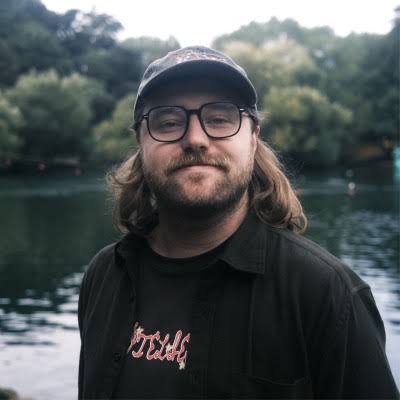
Damon Bannister
Damon Bannister is a Lecturer in Animation at the School of Digital Arts (SODA) with a background in 3D animation, compositing, and visual effects. His work explores the use of stationary objects for sequential storytelling, and ergodic narratives within transmedia and audio/visual contexts (including current ongoing research project Dead Already, a
multidisciplinary arts and storytelling project in collaboration with SODA colleagues). His primary research project is Metahuman to Stop Motion, in which he is investigating how Epic Games’ Metahumans can be used alongside 3D printing to allow for motion captured performances to be utilised within stop-motion animation.

Dr Eleanor Beal
Dr Eleanor Beal is a Lecturer in English Literature and Film, Co-Director of the Manchester Centre for Gothic Studies and on the Executive Committee for University English. She works primarily on contemporary Gothic of the twentieth and twenty-first centuries. Her theoretical interests lie in Gothic approaches to questions of being (ontology), including the Gothic’s cosmologies, occultisms, theological (re)turns and religious afterlives.
Key publications:
E. Beal and J. Greenaway (eds, 2019) Horror and Religion: New Literary Approaches to Theology, Race and Sexuality. University of Wales Press.
E. Beal (2018) ‘Frankensteinian Gods, Fembots and the New Technological Frontier in Alex Garland’s Ex_Machina.’ Transmedia Creatures: Frankenstein’s Afterlives. Bucknell University Press.

Dr Andrew Chrome
I’m a historian who works on religious cultures, particularly relating to apocalypticism, prophecy, and religious identities in popular culture fandom and religious groups.
Key Publications:
T. Sturm and A. Chrome (eds, 2025) Bloomsbury Handbook of Apocalypticism and Millennialism. Bloomsbury.
A. Chrome (2023) ‘Developing Religious Literacy through Popular Culture Fandom: Engaging Religious Issues in Fleabag Fan Fiction‘, Journal of Contemporary Religion.
A. Chrome and J. McGrath (eds, 2013) Time and Relative Dimensions in Faith: Religion and Doctor Who. Cascade.
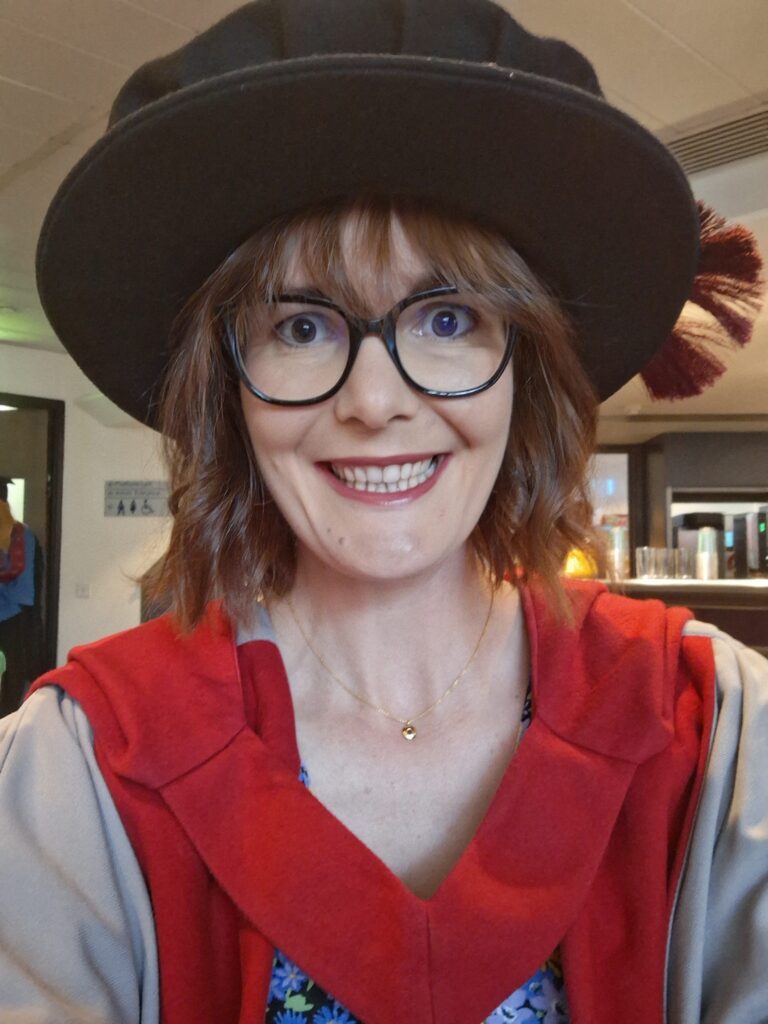
Dr Sarah Ilott
Dr Sarah Ilott is Senior Lecturer in English and Film. Her research explores the intersections of anti/racist politics and popular culture, with particular expertise in comedy and the gothic. Her next book, Screening Multicultural Britain: Race, Racism and British Comedy, will be published by Palgrave in 2026.
Key Publications:
S. Ilott (2026) Screening Multicultural Britain: Race, Racism and British Comedy. Palgrave.
S. Ilott and H. Davies (eds, 2018) Comedy and the Politics of Representation: Mocking the Weak. Palgrave.
S. Ilott (2015) New Postcolonial British Genres: Shifting the Boundaries. Palgrave.
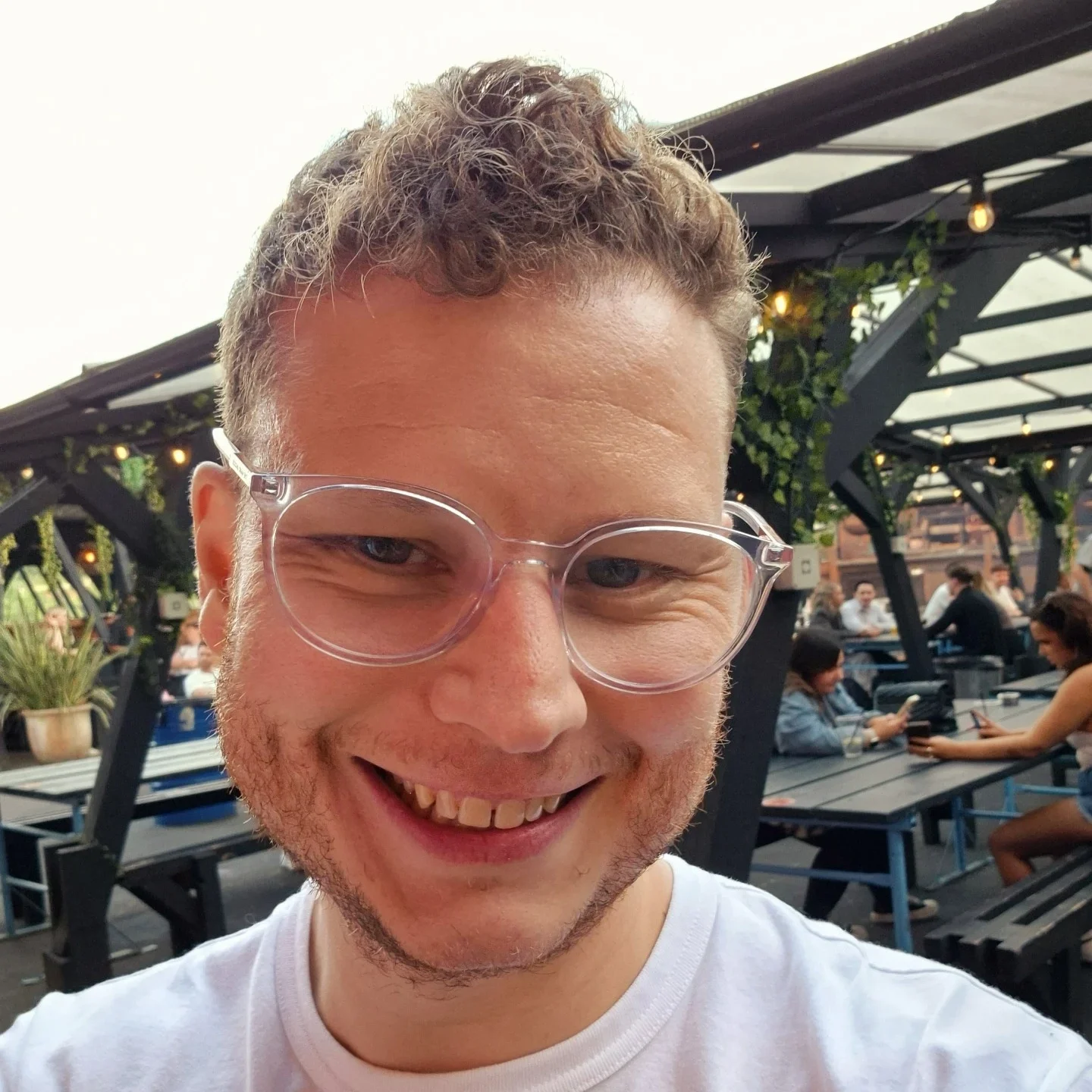
Dr Ben Litherland
I am a cultural studies researcher examining how people engage with popular and political communication and culture, both historically and in the present. My current research focuses on these overlaps, using fandom as a lens to analyse a range of phenomena such as ethical consumption, culture wars, conspiracy theories, and political engagement. More broadly, I engage with debates on media influence and media effects, exploring how audiences interact with and are shaped by media. These themes are central to my podcast, Ill Effects, where I examine debates about media influence.
Key publications:
S. Driessen, B. Jones, and B. Litherland (2025) Participatory Culture Wars: Controversy, Conflict, and Complicity in Fandom. University of Iowa Press.
B. Litherland (2018) Wrestling in Britain: Sporting Entertainments, Celebrity and Audiences. Routledge.
B. Litherland (2025). ‘Smarter, better, faster, kinder? The problems with claiming that media and popular culture has positive effects.’ International Journal of Cultural Studies.
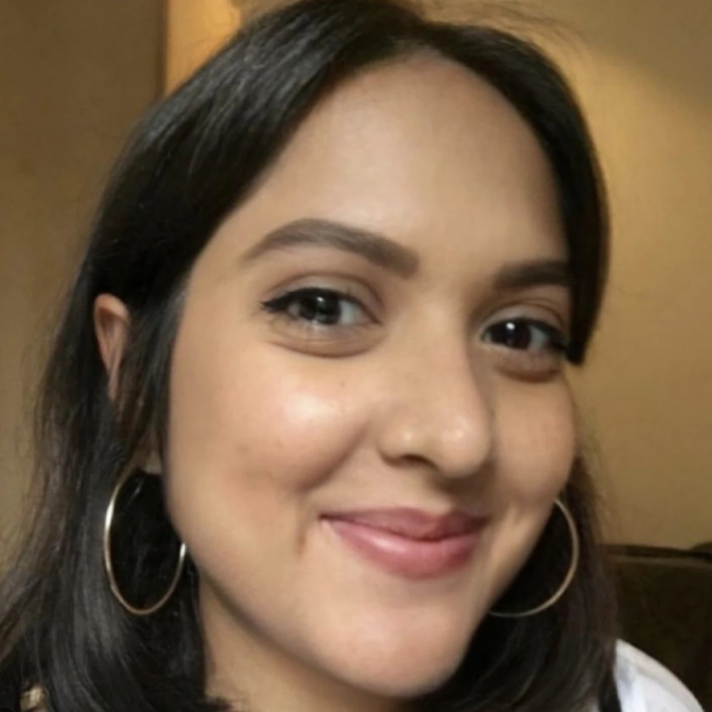
Dr Muzna Rahman
I am a Senior Lecturer of Critical English Studies. My research focuses primarily on contemporary Postcolonial writing and film, and more specifically how this intersects with the interdisciplinary field of Food Studies. My other research and teaching interests include contemporary American Literature and Media, Popular Culture, Critical Race Studies, Feminism and Eco-criticism.
Key publications:
M. Rahman (2022) Hunger and Postcolonial Writing. Routledge.
Rahman, M. (2024) ‘Indigestible performances: women, punk, and the limits of British multiculturalism in Nida Mazoor’s We Are Lady Parts.’ Journal of Postcolonial Writing, 60(2) pp. 199-214.
Rahman, M. (2020) ‘Consuming Brexit: alimentary discourses and the racial politics of Brexit.’ The Open Arts Journal, (8) pp. 71-82.
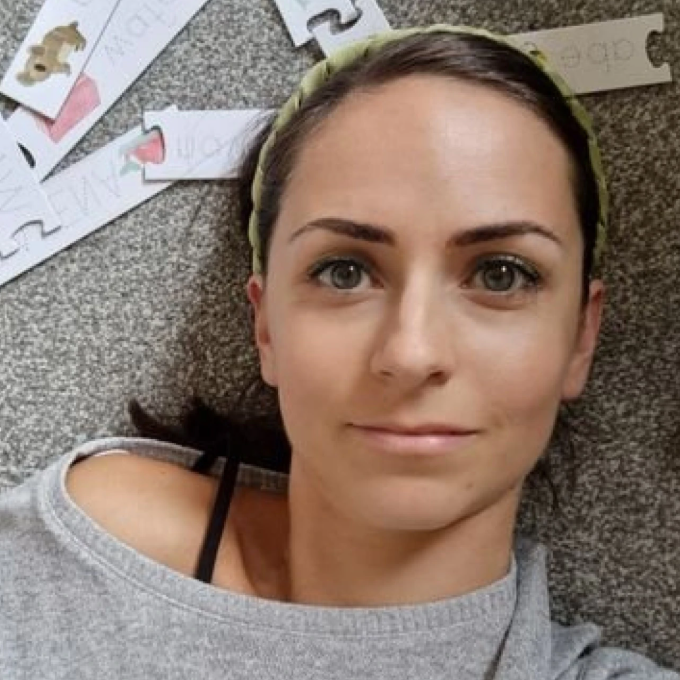
Dr Elisa Serafinelli
Dr Elisa Serafinelli is Senior Lecturer in Digital Media and Communication at Manchester Metropolitan University, where she also serves as Departmental Ethics Lead and contributes to research governance and interdisciplinary digital culture initiatives. Her research examines the intersections of visual culture, mobile media, and emerging technologies, with a particular focus on drones and visual-AI as transformative forces in shaping perception, visual literacy, and socio-cultural practices. She has led major funded projects, including an Arts and Humanities Research Council Leadership Fellowship, and has published internationally on digital visuality, contributing to advancing theoretical and methodological approaches in contemporary visual communication.
Key publications:
Serafinelli E. (2024): Theorising Drones in Visual Culture: Views from the Blue, Palgrave
Macmillan.
Serafinelli E. (2024): Drones in Society: New Visual Aesthetics, Palgrave Macmillan.

Dr Jack Warren
Jack Warren is a Lecturer in Film and Media Studies at Manchester Metropolitan University and a member of the Manchester Game Centre. His research interests include video games, queer studies, affect studies, and the environmental humanities. He is currently working on a monograph about online role-play in World of Warcraft, VRChat, and Bluesky.
Key Publications:
J. Warren (forthcoming) ‘Censorship – Queer Video Games’ in Encyclopedia of Queer Media. Elgar.
J. Warren (forthcoming) ‘Stone Butches and Hard Lads: The Queerness of Hard Masculinity.’ Queer Studies in Media & Popular Culture.
J. Warren (2024) ‘Queer Thinking with Digital Stones.’ In Environmental Humanities and the Video Game. Palgrave.
J. Warren (2023) ‘Touching Fantasy Role-Play.’ In Material Game Studies. Bloomsbury.